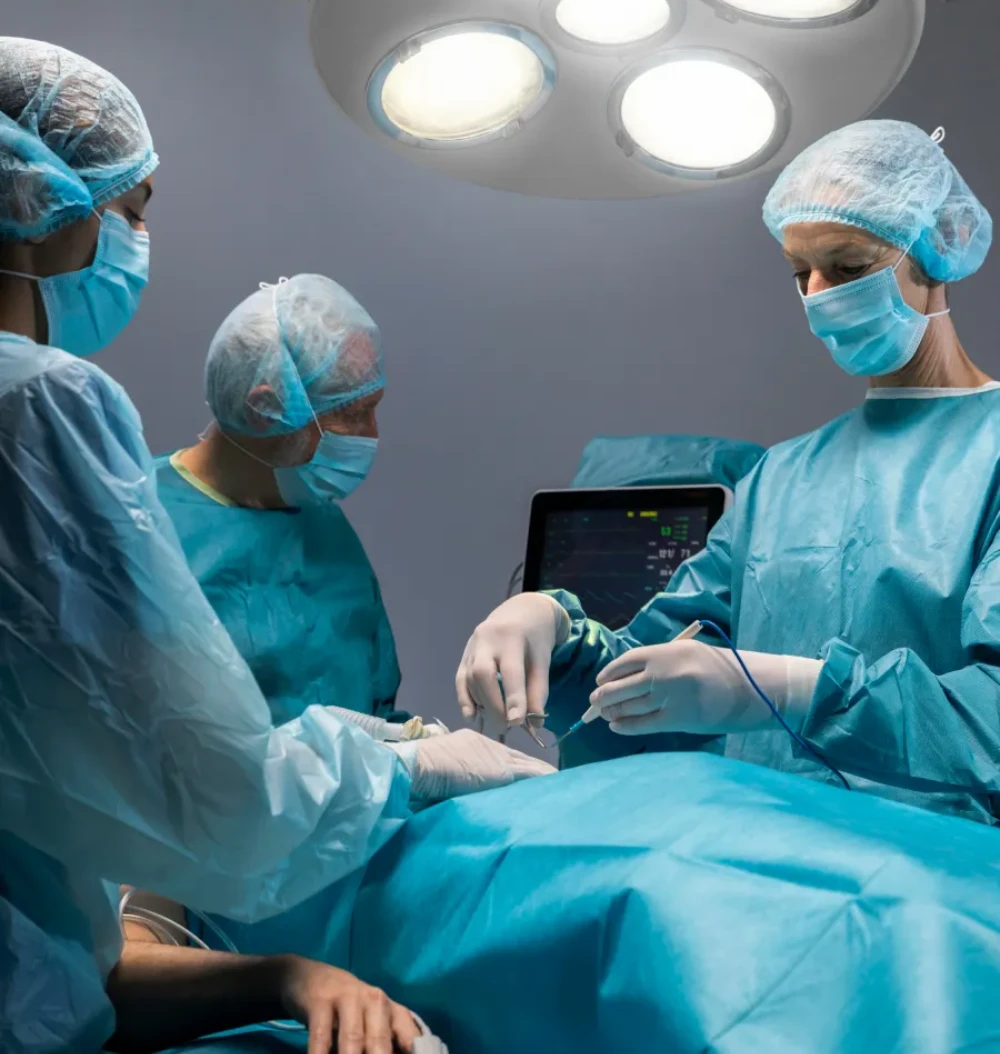
Minimally Invasive & Laparoscopic Surgery
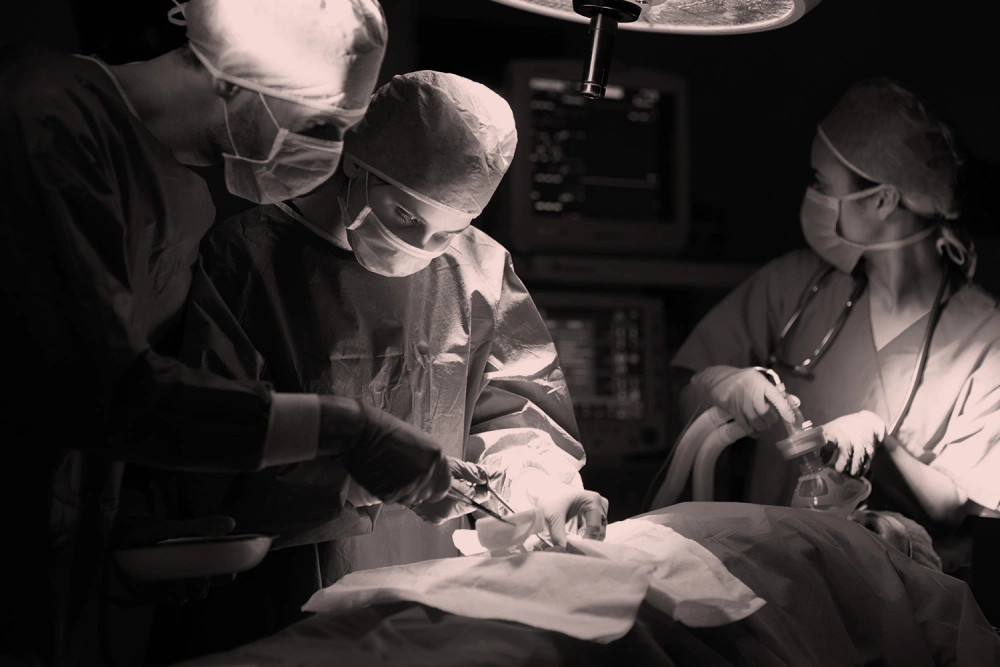
Surgery is sometimes the best or only treatment option for certain urological conditions but that does not have to mean long recovery times and big cuts to your body.
Dr. Jeena KR is highly trained at laparoscopic and laser-assisted urological procedures and provides a safer surgical option for patients – minimally invasive procedures that minimize cuts, speed recovery and lessen pain.
She performs minimally invasive procedures for kidney stones, an enlarged prostate, or urological cancers. This enables the majority of patients to be discharged from hospital and go home to get on with their lives.
Laparoscopy provides a magnified view of internal organs, improving precision, while laser technology helps fragment stones or remove tissue gently.
Your choice for minimally invasive urology is about more than just smaller incisions. It is about a patient centered approach that favours comfort, safety and outcomes.

Frequently Asked Questions
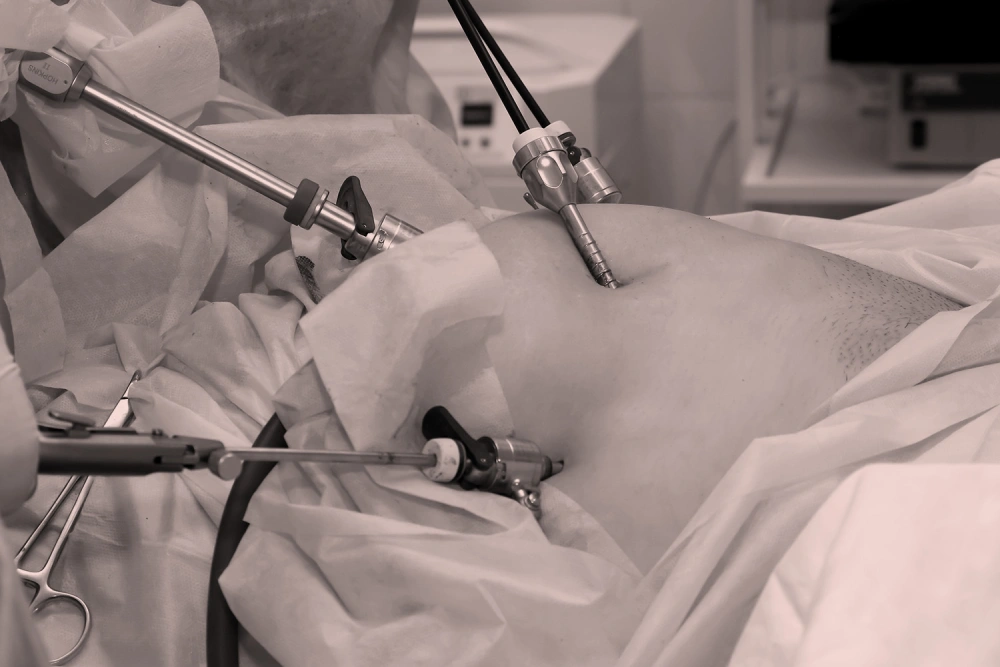
It’s a modern technique that uses small incisions and a laparoscope (camera-equipped instrument) to perform surgery with less pain, minimal scarring, and faster recovery.
Endoscopic procedures to remove stones are techniques that use small instruments and cameras to access and treat stones inside the urinary tract without making large cuts. Common procedures include:
- URS (Ureteroscopy): A thin scope is passed through the urethra and bladder into the ureter to break and remove stones.
- RIRS (Retrograde Intrarenal Surgery): A flexible scope is used to reach stones within the kidney and break them using a LASER.
- PCNL (Percutaneous Nephrolithotomy): For larger stones, a small incision is made in the back to insert a scope directly into the kidney to remove the stone.
- PUCLT/PCCLT ( Perurethral or Percutaneous Cystolithotripsy): These are used for bladder stones. PUCLT is done through the natural urinary passage, while PCCLT uses a small incision in the lower abdomen. In both, the stones are broken and removed by endoscopic method.
In urology, lasers are used for precise, minimally invasive treatments. Common applications include:
- Stone surgery: Laser lithotripsy (e.g., Holmium or Thulium lasers) is used to break kidney, ureteric, or bladder stones.
- Prostate surgery: Laser enucleation (e.g., HoLEP) is used to treat benign prostatic enlargement (BPH).
- Bladder tumors: Lasers help remove superficial bladder tumors with minimal bleeding.
Laser techniques often reduce bleeding, shorten recovery times, and offer high precision with minimal tissue damage.
Smaller incisions, shorter hospital stay, quicker recovery, and reduced risk of infection.
Pelviureteric junction obstruction, Removing infected or nonfunctioning kidneys, ureteric stricture surgeries, Genito-urinary fistulas & Urological cancers.