Female & Functional Urology
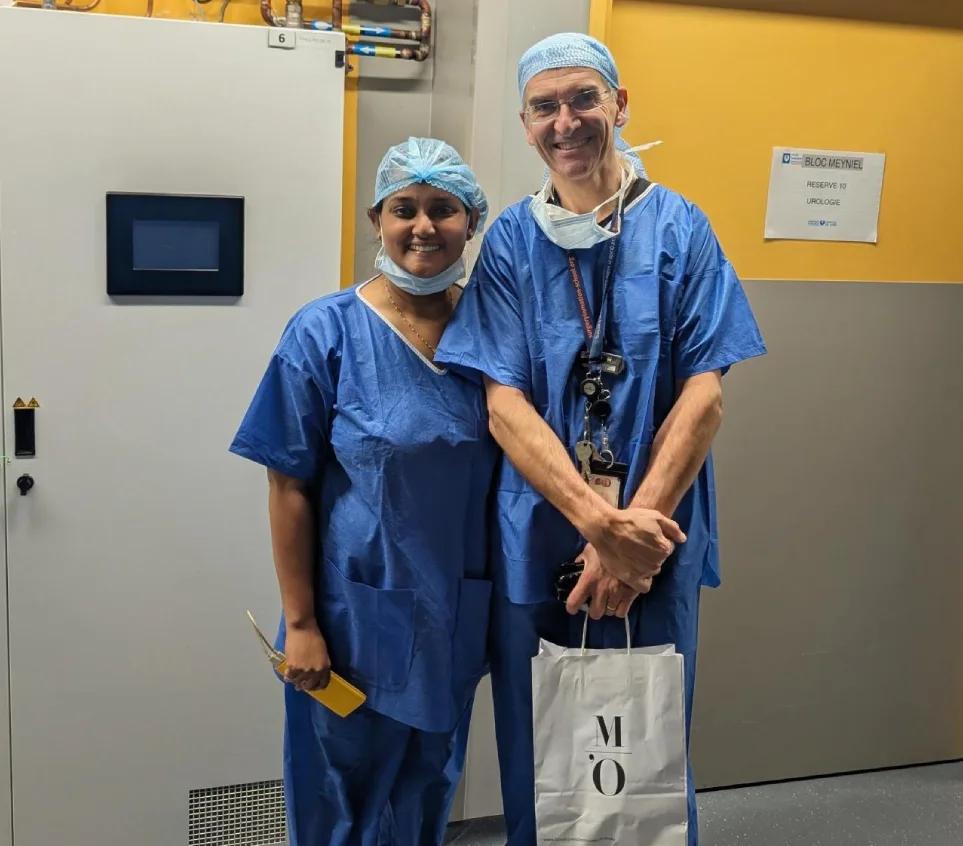
Women’s urological health often involves sensitive conditions that affect daily life — yet many hesitate to seek help. As one of India’s few female urologists, Dr. Jeena KR provides compassionate, discreet care that helps women feel comfortable discussing symptoms openly.
She covers a wide range of issues and conditions related to the bladder including: urinary incontinence (both stress or urge), recurrent urinary tract infections, urethral stricture disease, bladder dysfunction. The diagnosis of urological issues comprises urine tests, imaging, or urodynamic studies to understand the underlying cause.
Treatment can range from medications, pelvic floor therapy to minimal-invasive solutions such as a sling surgery for incontinence.
Dr. Jeena’s approach is by listening first, followed by clear explanation, and then options for treatment which tailor specifically to the woman’s needs and lifestyle so her bladder/pelvic issues will not restrict her life.
Frequently Asked Questions
Incontinence ( urine leak), frequent UTIs ( Urinary tract infections), bladder prolapse (Cystocele), urethral narrowing (stricture) & Genitourinary fistulas are common concerns.
Functional urology deals with how the urinary system works, especially issues related to bladder control, pelvic floor function, and the ability to empty the bladder properly.
One common issue within this field is dysfunctional voiding, where there is poor coordination between the bladder and the pelvic floor muscles. This can lead to symptoms such as straining to urinate, interrupted or weak urine flow, incomplete emptying, and recurrent urinary tract infections.
Often, poor bladder habits in childhood — like withholding urine — can lead to abnormal voiding patterns. If these habits persist, they carry over into adulthood. Early identification and proper bladder training can help prevent long-term issues. Treatment includes pelvic floor therapy, behavioural training & medications.

A urodynamic study is a diagnostic test used to evaluate how well the bladder, urethra, and sphincter muscles store and release urine. The test involves inserting small catheters into the bladder and rectum to measure pressure and flow during bladder filling and emptying. Urodynamics provides valuable information for diagnosing conditions like overactive bladder, bladder outlet obstruction, or dysfunctional voiding, and helps guide appropriate treatment.
Intravesical Botox refers to the injection of Botulinum toxin (commonly known as Botox) into the bladder wall. It is used to treat certain bladder conditions that do not respond to conventional therapies, such as:
- Overactive bladder (OAB) with urge incontinence
- Interstitial cystitis/bladder pain syndrome (in select cases)
Botox works by temporarily relaxing the bladder muscle, reducing involuntary contractions and increasing bladder capacity. The procedure is done under local or short general anesthesia, typically through a cystoscope, and the effects last 3 - 6 months. It is a safe and effective option for patients who have not benefited from medications.